Project 01
The Worst Mug
Designing
Backwards.
An outdoor mug designed badly on purpose, then rebuilt one priority at a time.
- Role
- Industrial Design, Research
- Timeline
- Spring 2026
- Tools
- Rhino, 3D Printing, Prototyping
Premise
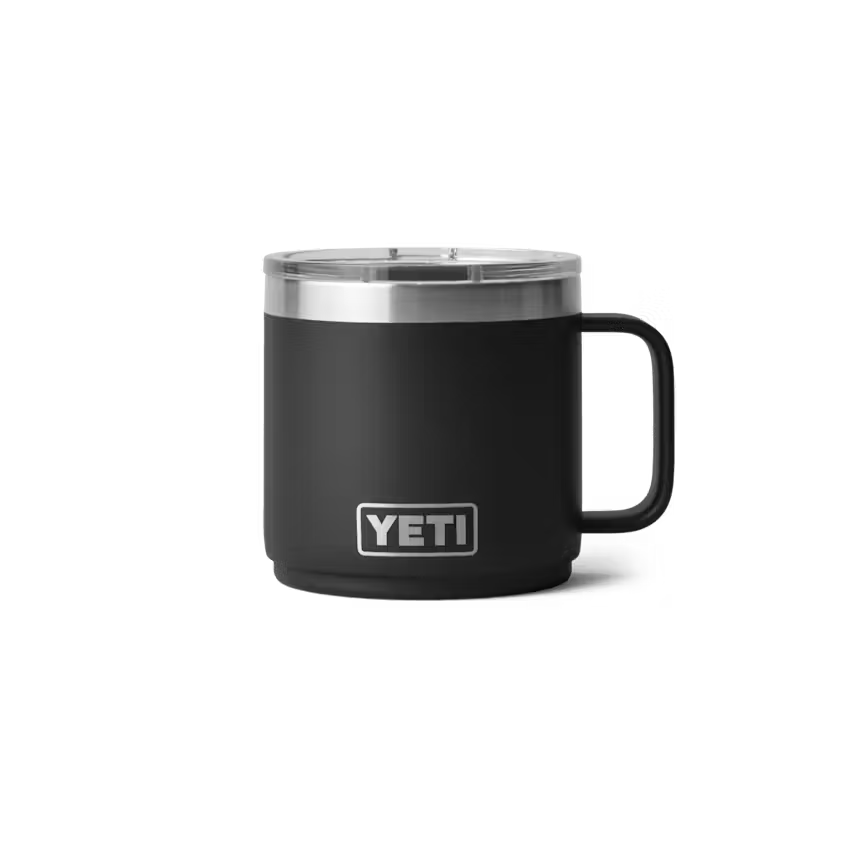
Commercial outdoor mug used as reference
What can a designer learn by getting it wrong on purpose?
An outdoor mug is deceptively demanding. It has to be stable, insulated, portable, and comfortable to drink from. That familiarity makes every misjudgment immediately legible.
So I built the worst version first, then made three more mugs that each repair a single quality: function, ergonomics, or aesthetics.
Criteria
Function
- holds liquid
- stable base
- easy to drink from
- insulates temperature
Ergonomics
- comfortable grip
- intuitive handle
- natural wrist position
Aesthetics
- balanced proportions
- clean silhouette
- visual simplicity
Working Rule
Reverse every good decision, then repair one category at a time.
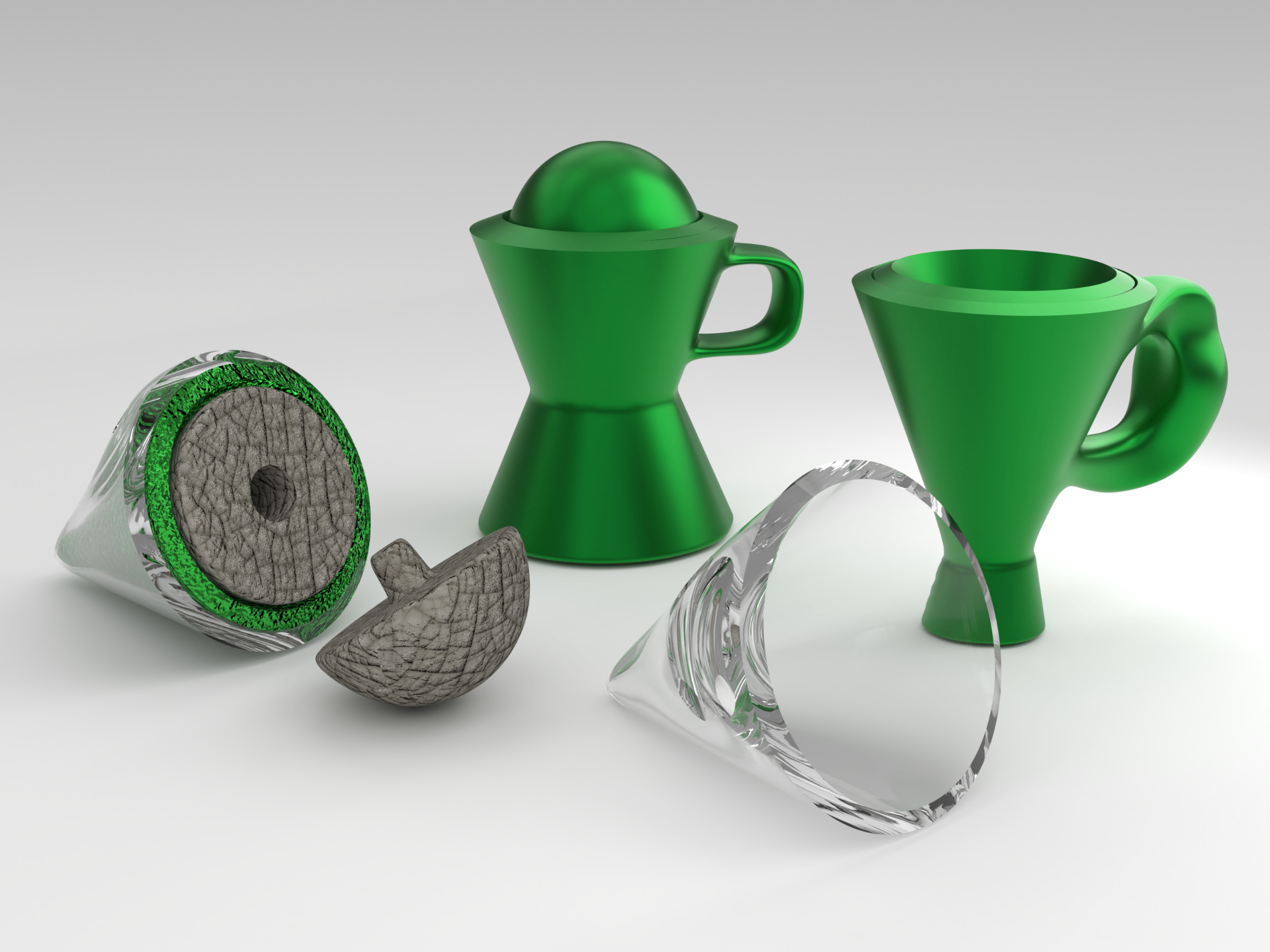
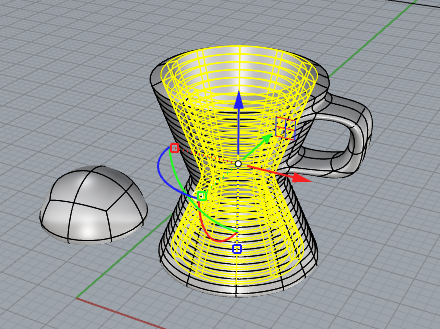
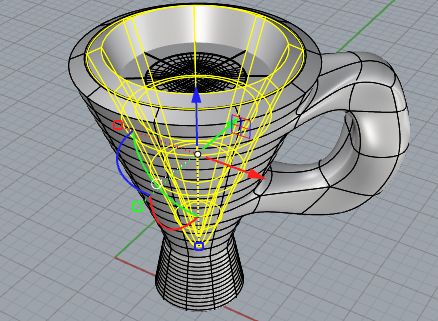
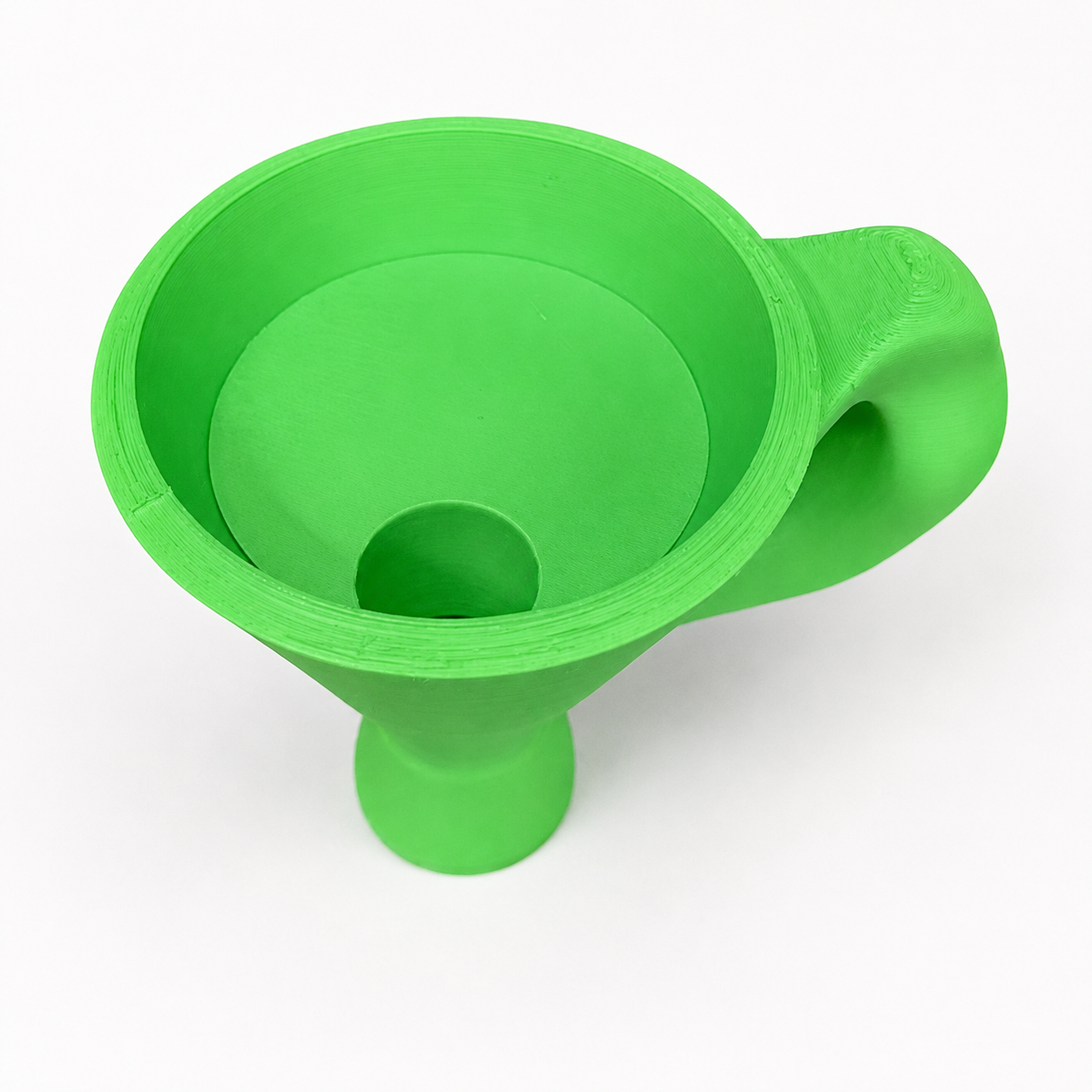
Worst Overall
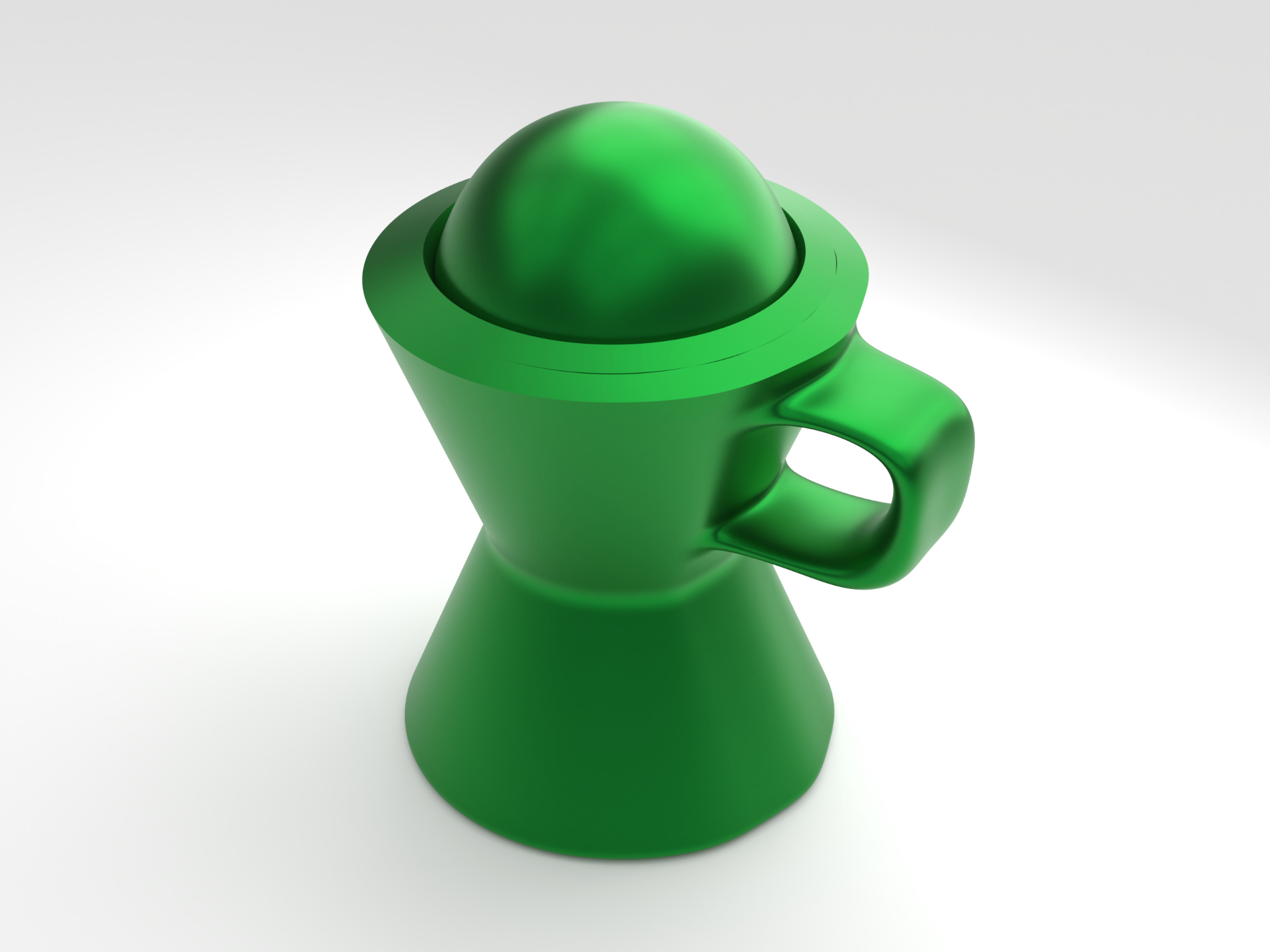
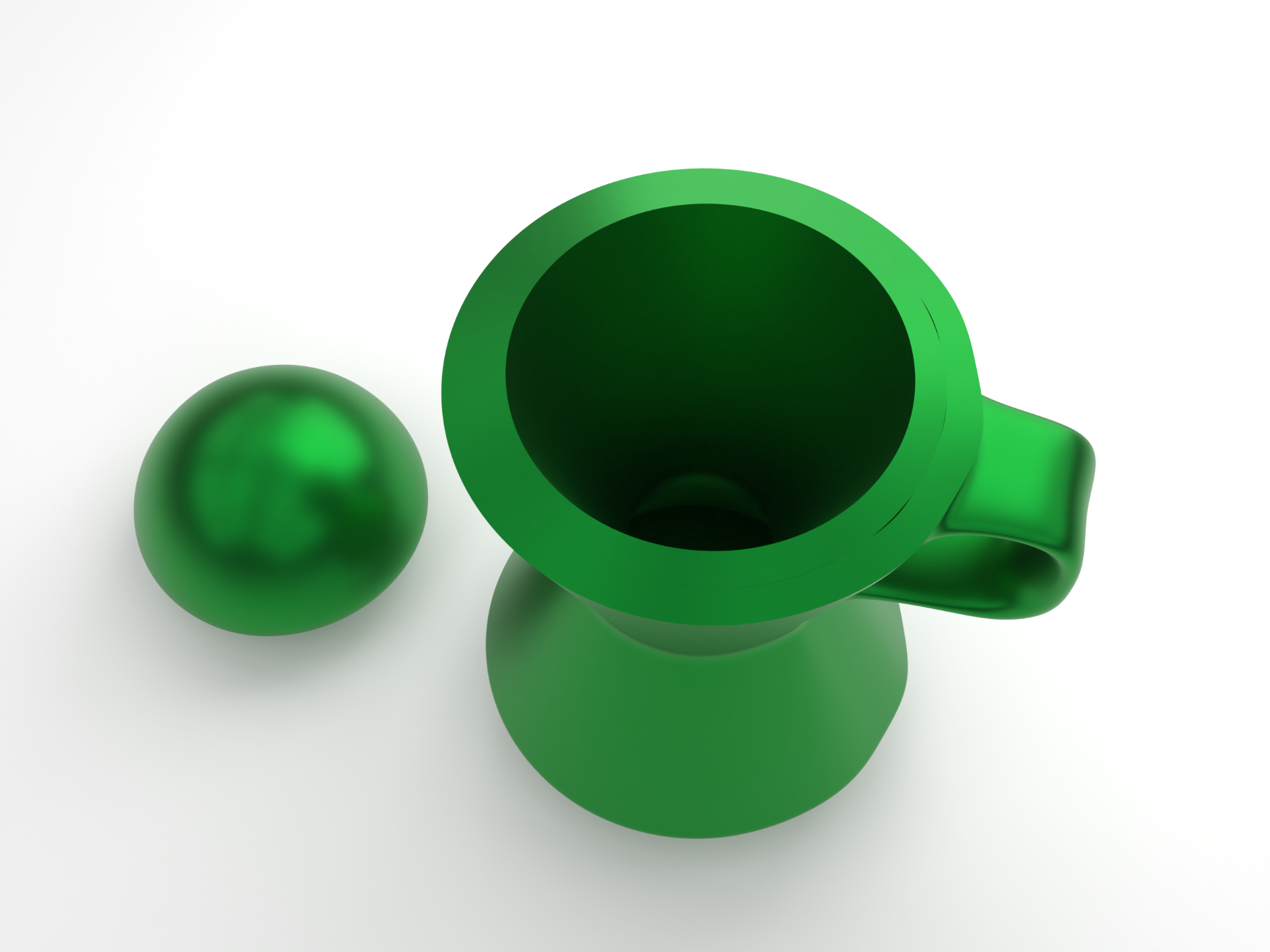
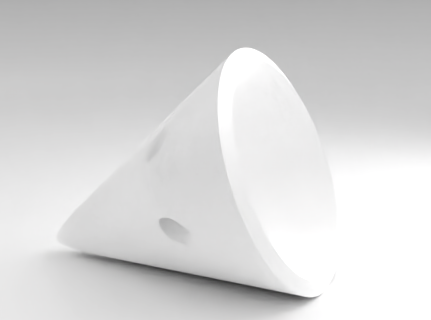
The baseline inverts every criterion at once. It became the control that the following three mugs each repair one piece of.
- Conical, unstable base
- Undersized handle
- Single wall construction
- Exaggerated surface texture
- Neon green finish
- Top heavy proportions
Process
One Variable at a Time
Each of the next three mugs improves exactly one quality while the other two stay broken, so every variable can be judged on its own.
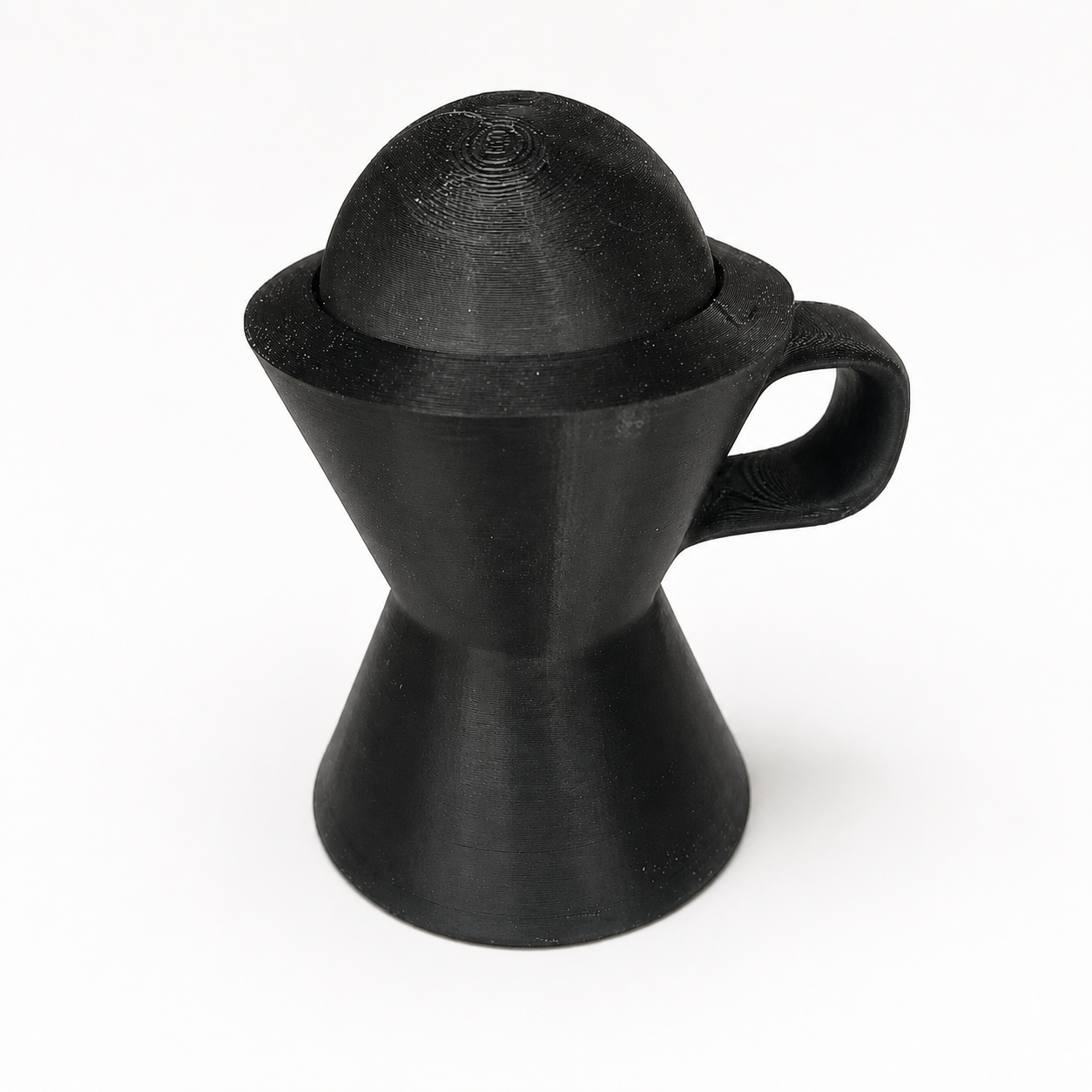
Fixing Function
What if the mug works, but nothing else does?
- Double wall stainless steel for usable heat retention.
- Wider base for stability and capacity.
- Removable lid with a conventional drinking rim.
- Handle deliberately kept undersized.
- Neon green finish retained.
A mug that finally works still feels wrong in the hand and on the shelf. Function alone does not earn use.
Process
Fixing Ergonomics
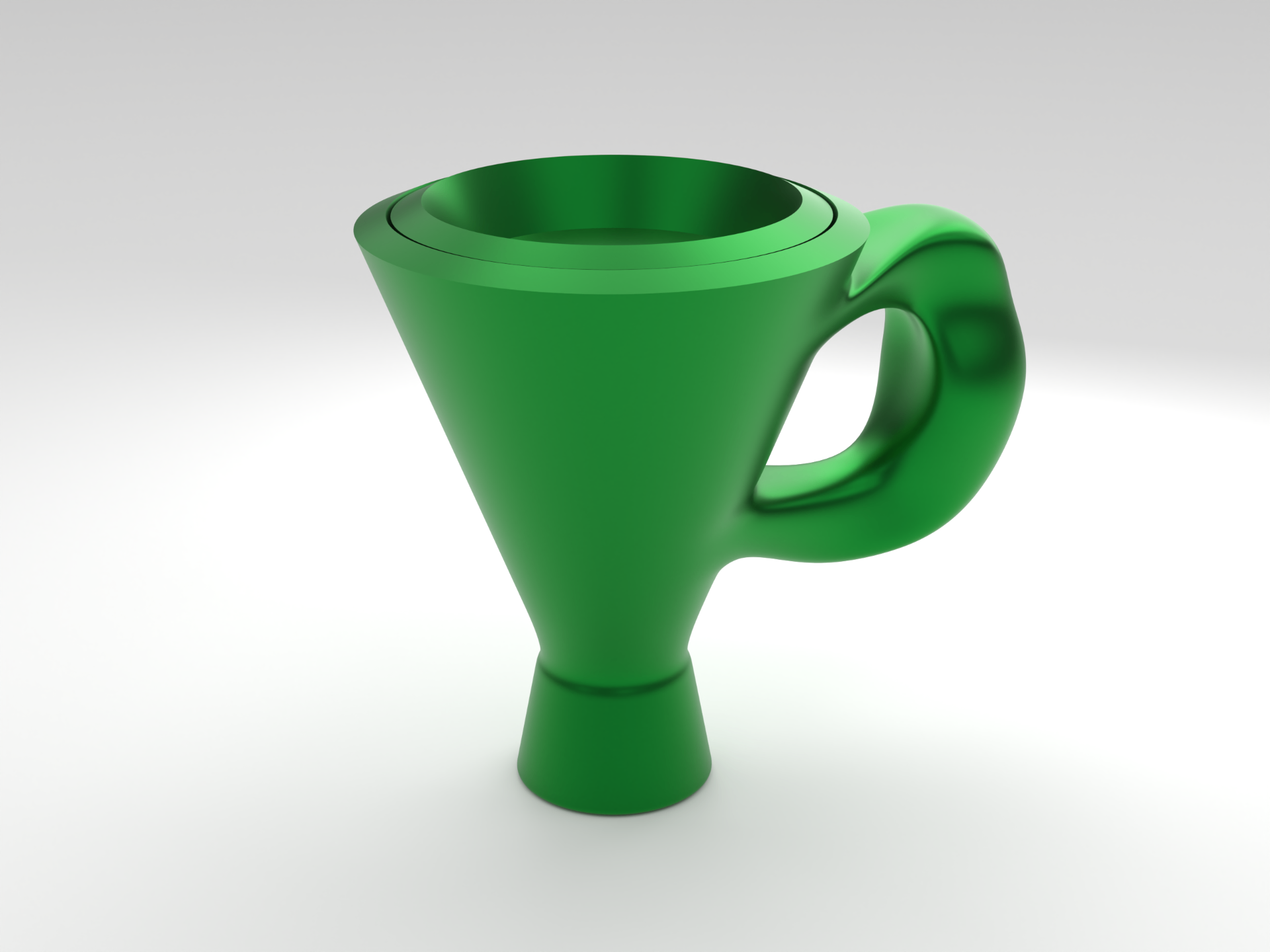
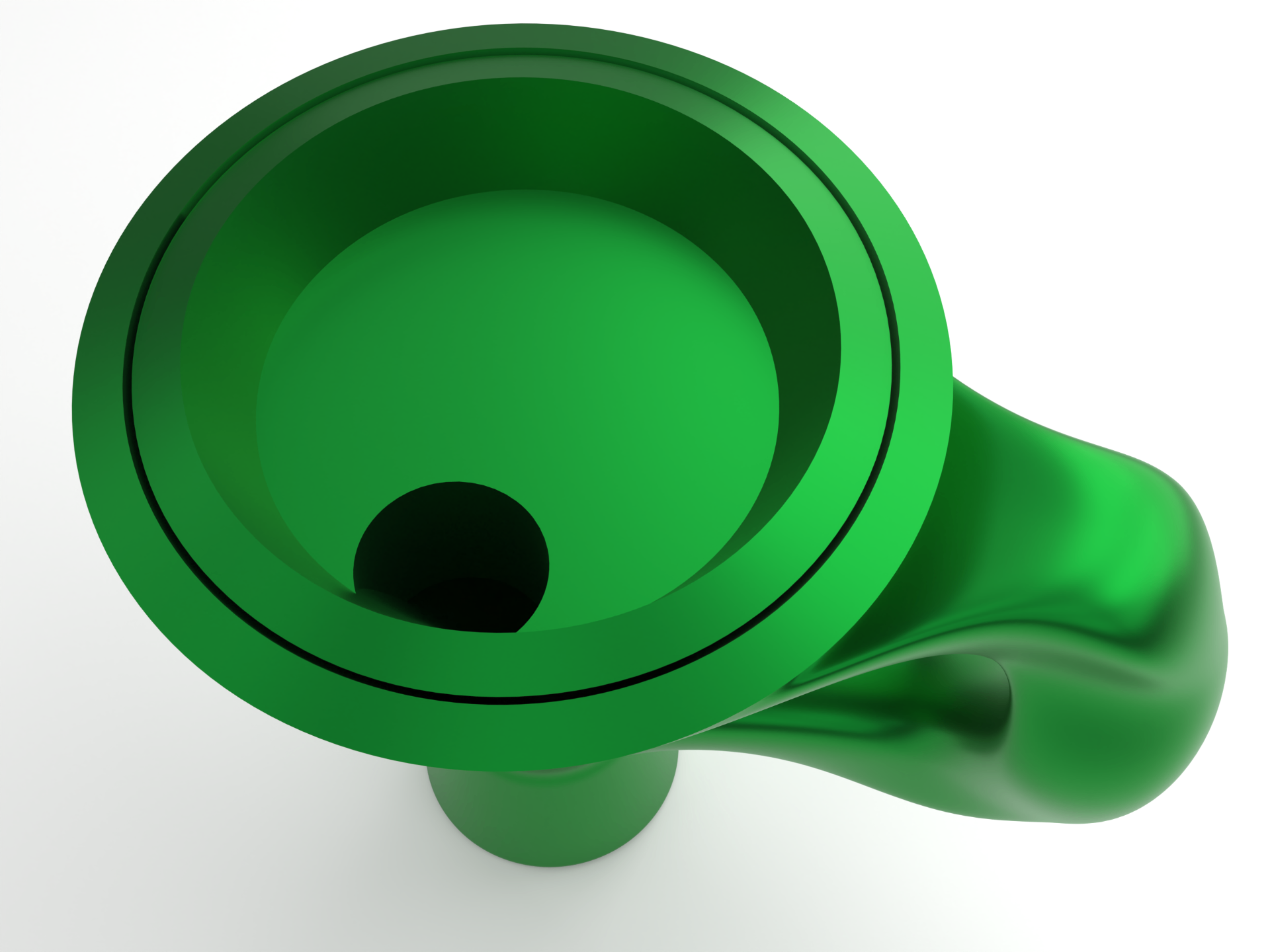
What if it feels right, but performs poorly?
- Enlarged handle with real finger clearance.
- Exterior widened while the interior stays intentionally shallow.
- Double wall retained for hand comfort.
- Neon green finish retained.
Comfort disarms the user, but only briefly. In use, the shallow interior and lurid finish break the illusion.
Process
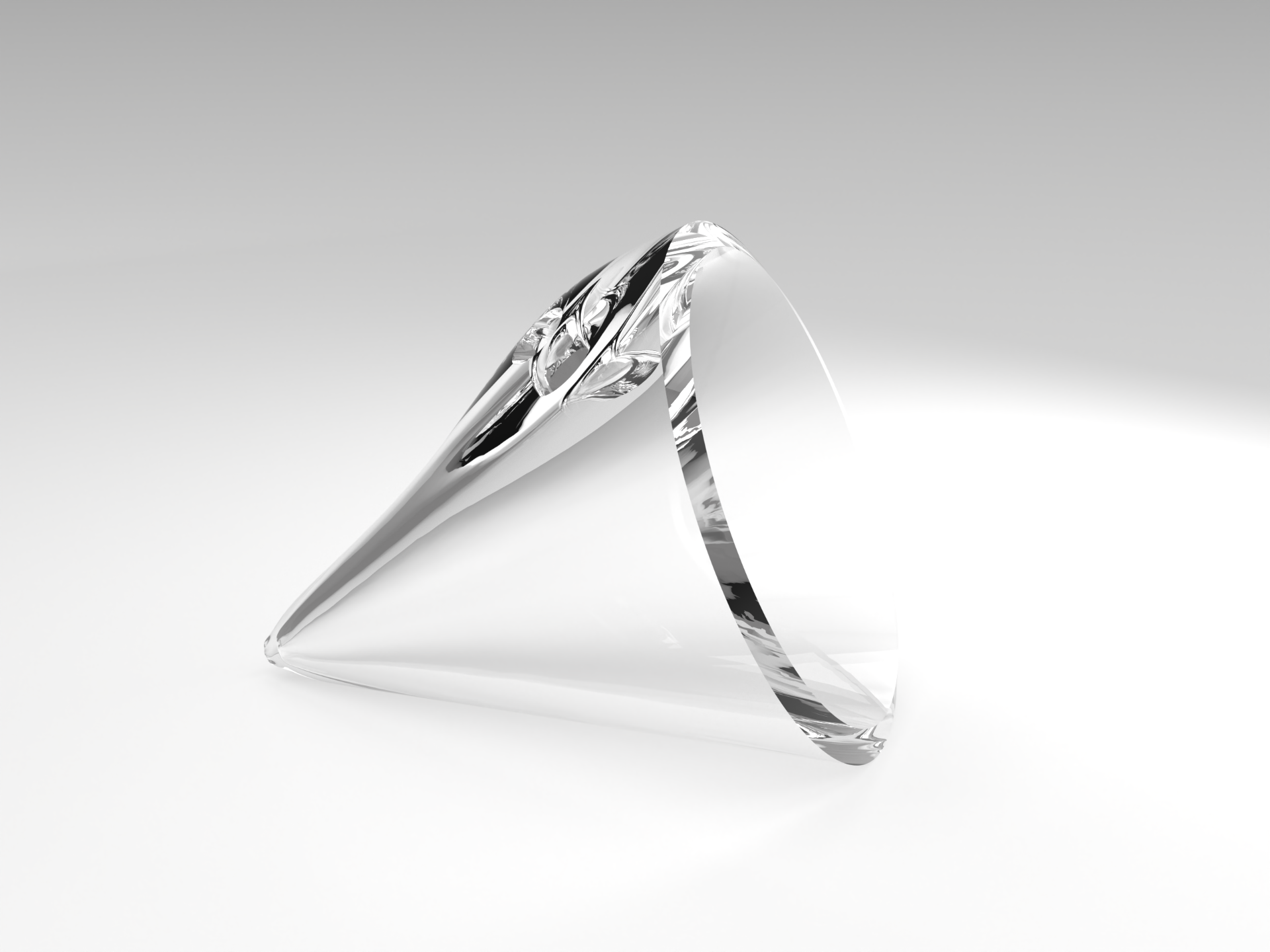
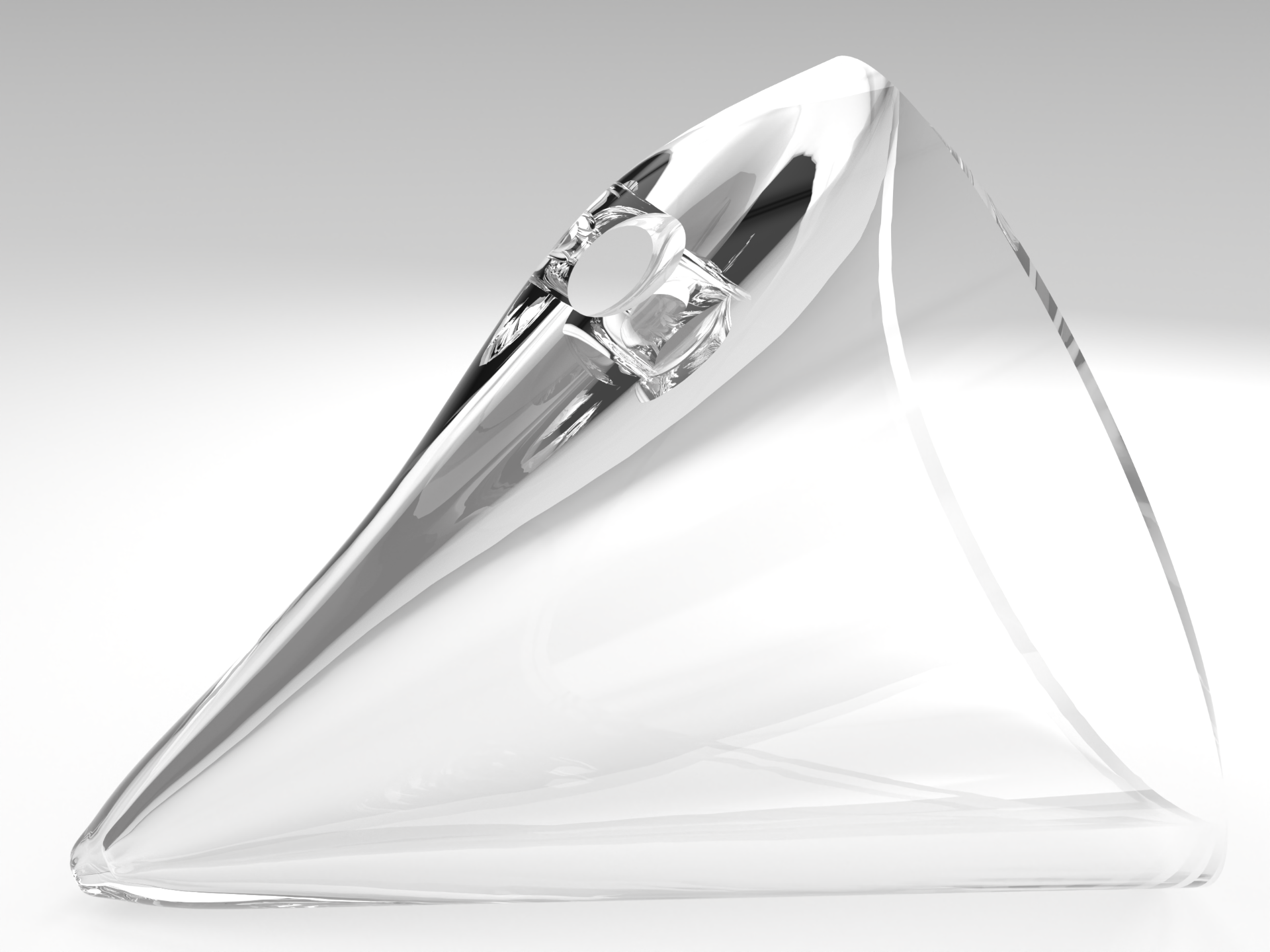
Fixing Aesthetics
What if it looks resolved, but fails in use?
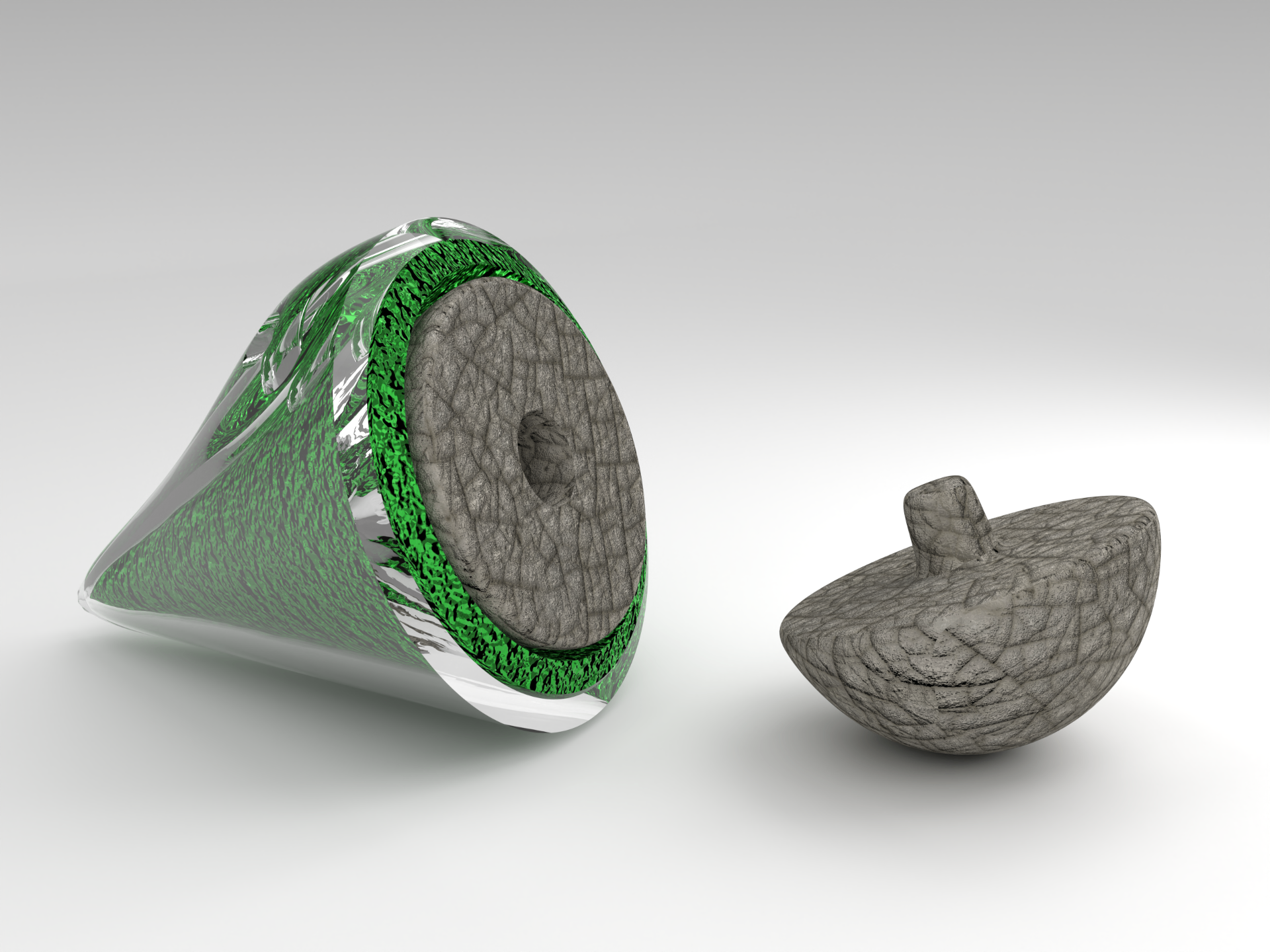
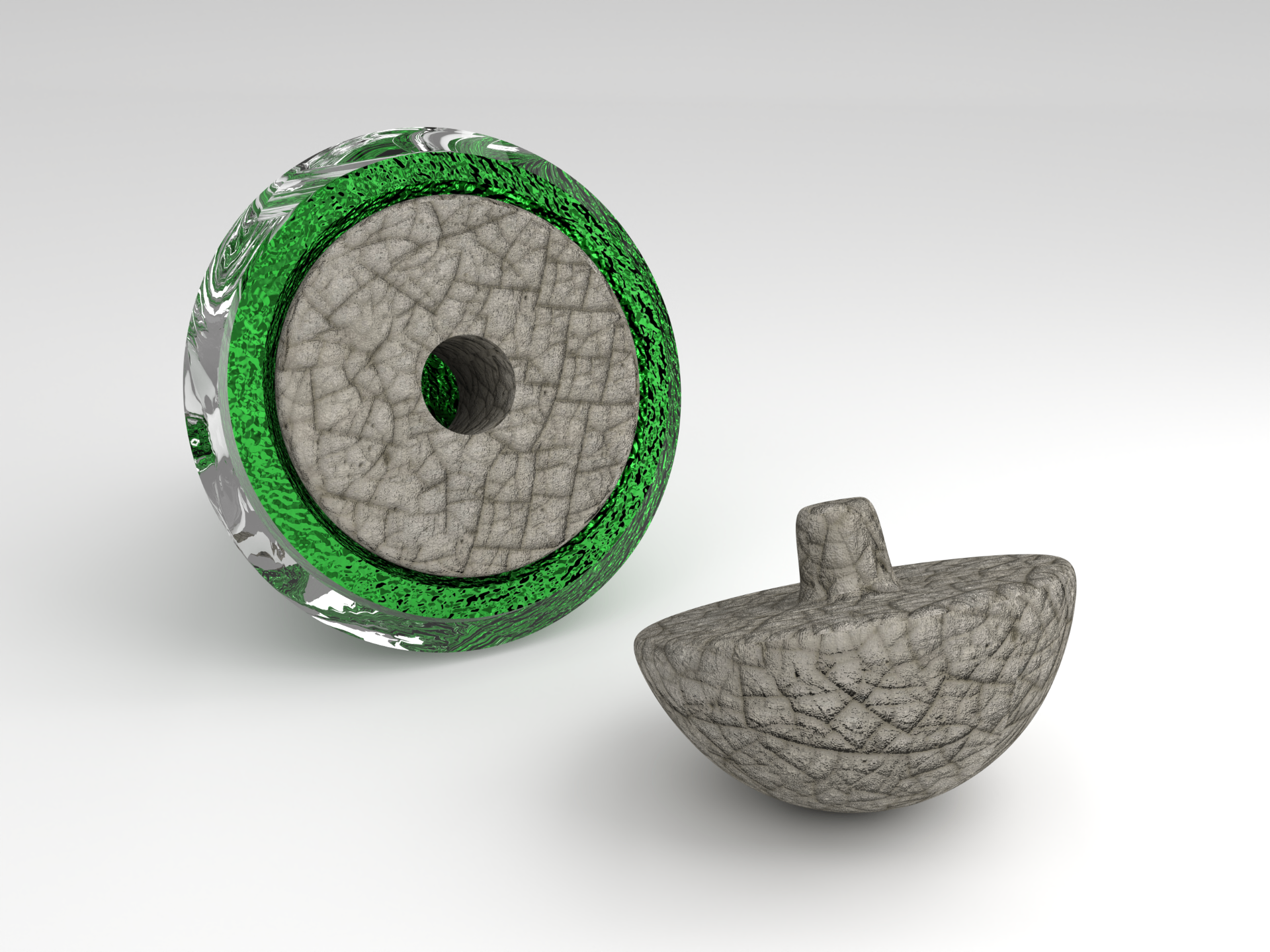
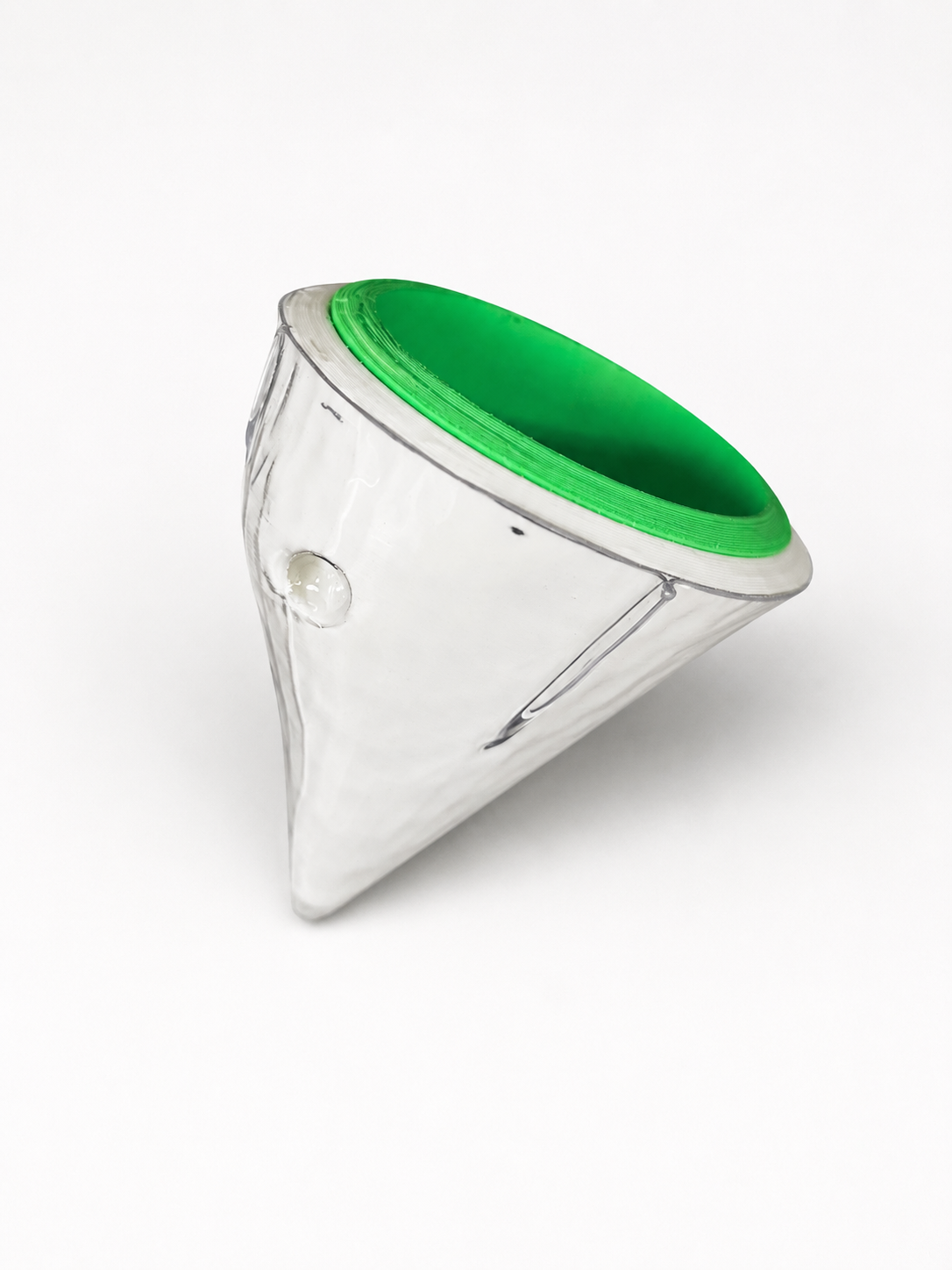
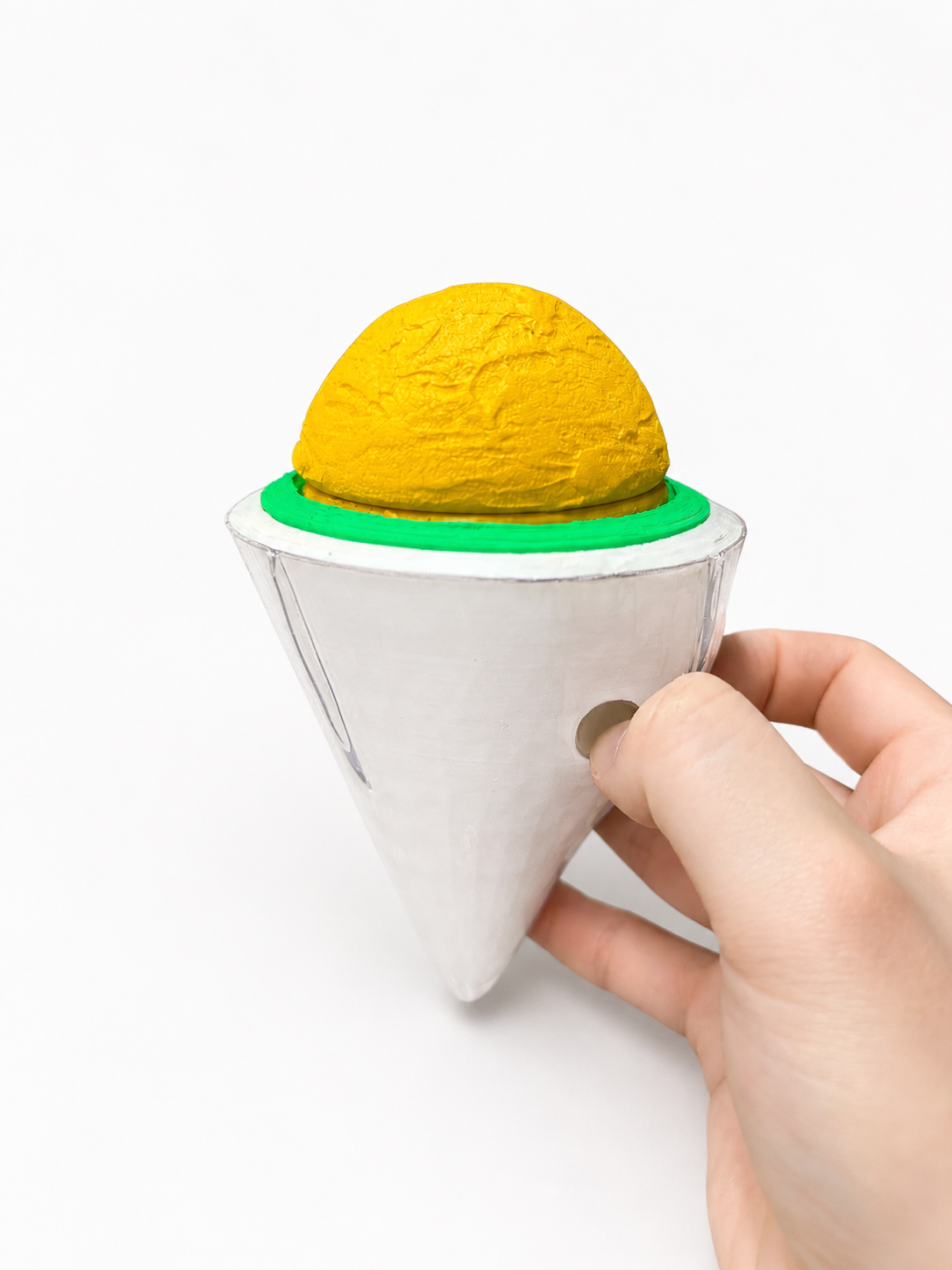
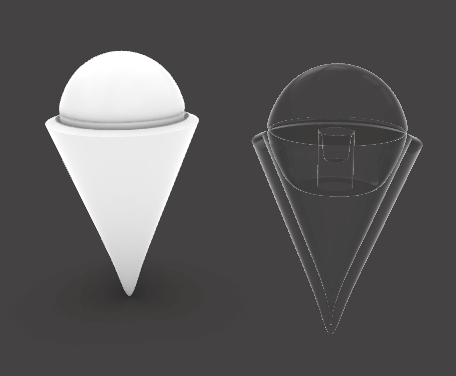
- Clear glass makes the conical form read as intentional.
- Finger opening replaces the handle.
- Single wall construction, hot to hold.
- Cone base still cannot stand upright.
The most photogenic iteration is the least usable. Visual resolution is only one axis of a successful object.
Process
Reflection
Isolating one variable at a time made the trade offs visible. Each fix exposed the failure of the other two, which is proof that function, ergonomics, and aesthetics cannot be judged separately.
Four iterations, one variable at a time