Project 04
How Much Have You Lost?
A Public
Intervention.
Anti-gambling messages printed as $100 bills and installed where money is spent.
- Role
- Graphic Design
- Timeline
- Winter 2025
- Tools
- Illustrator, Printing, Public Installation
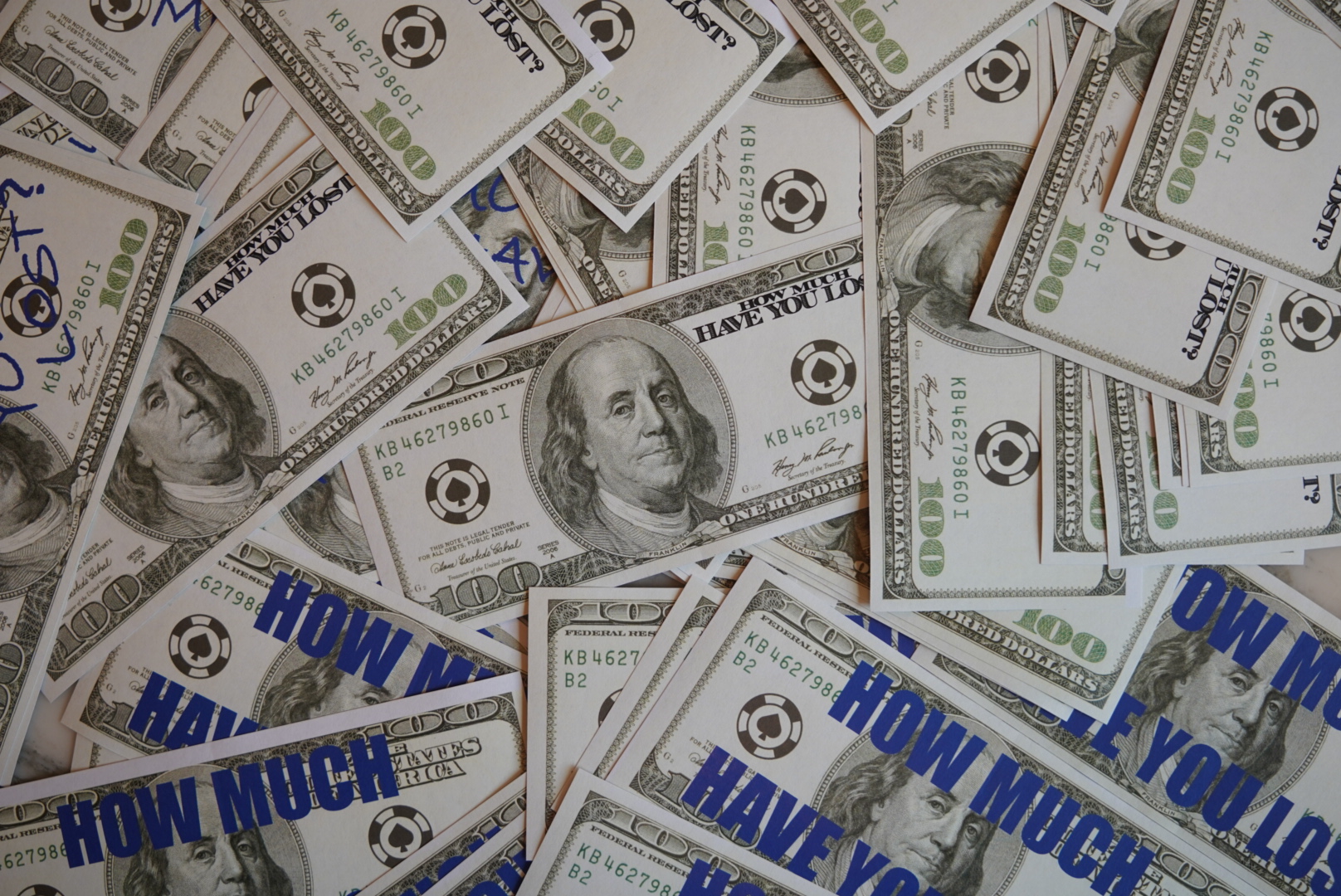
Premise
Gambling advertisements are everywhere. Anti-gambling messages are almost invisible.
Sports betting is embedded in stadiums, feeds, transit, and city streets. Losses accumulate quietly, in small amounts that never get counted.
Rather than another awareness poster, the project borrows the visual familiarity of currency to interrupt a routine with a single question.
Concept
People ignore posters.
People don't ignore money.
A life sized $100 bill earns attention before it is read. Only up close does the note reveal the question printed across it.
“How Much Have You Lost?”
Graphic Development
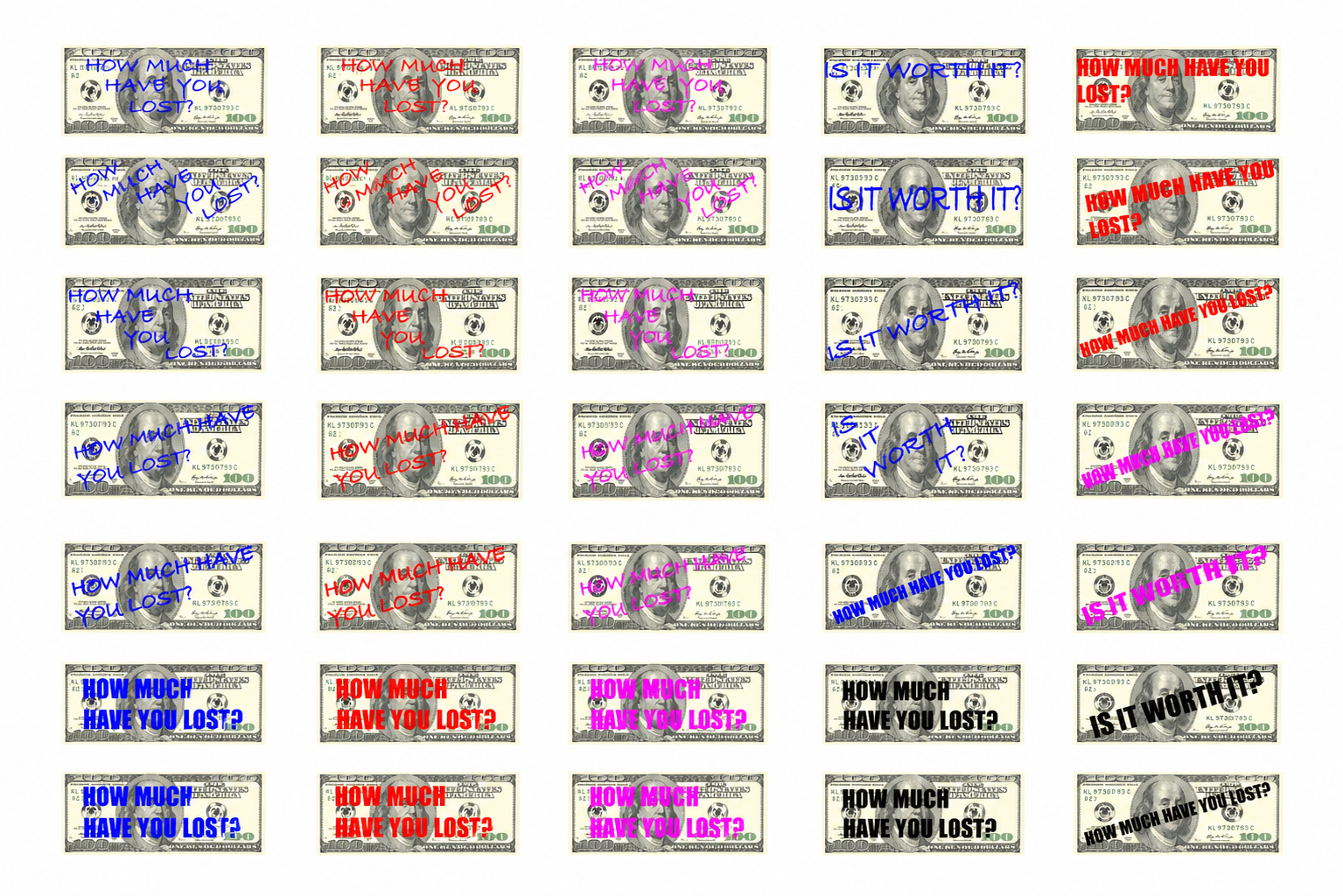
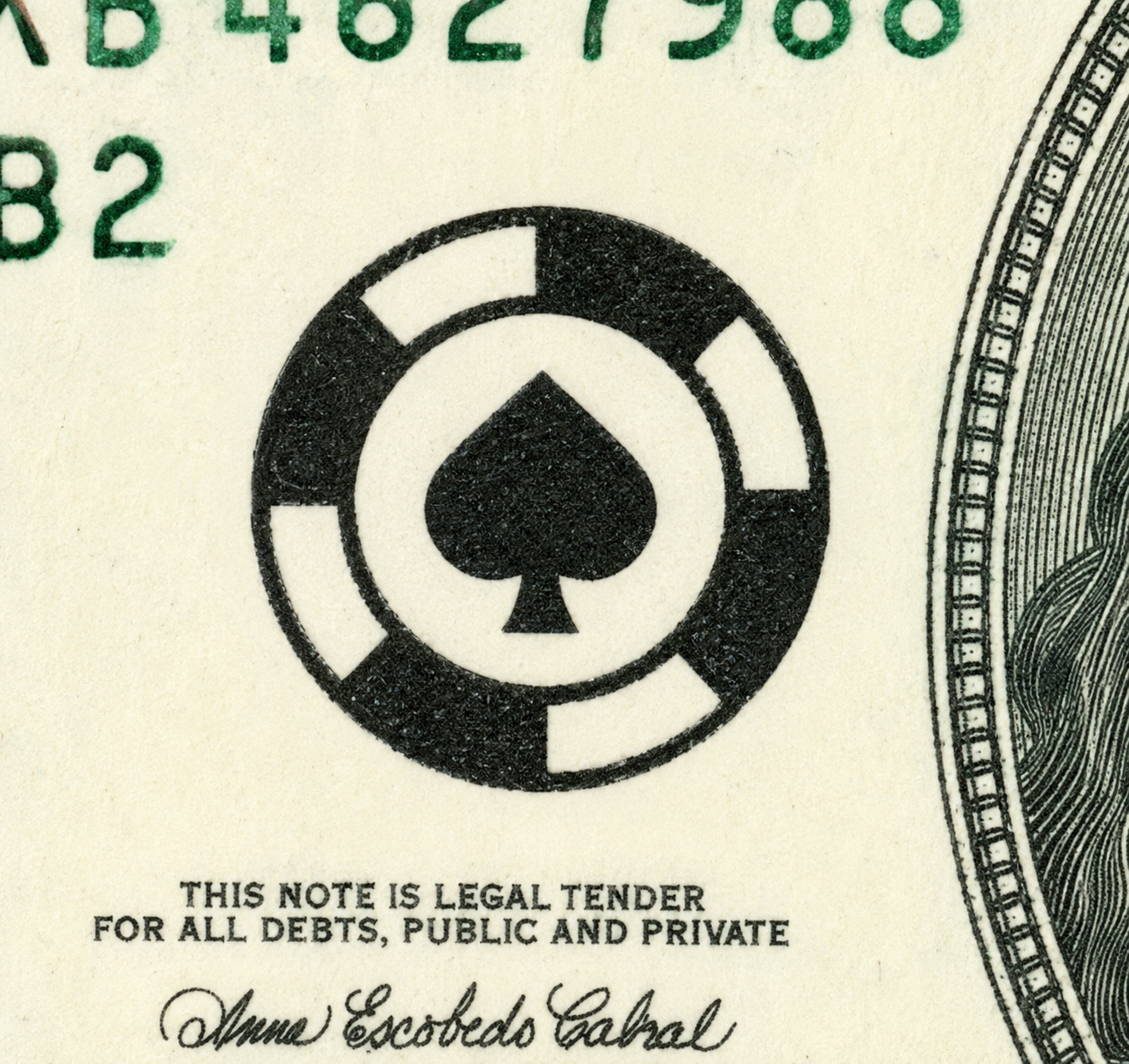
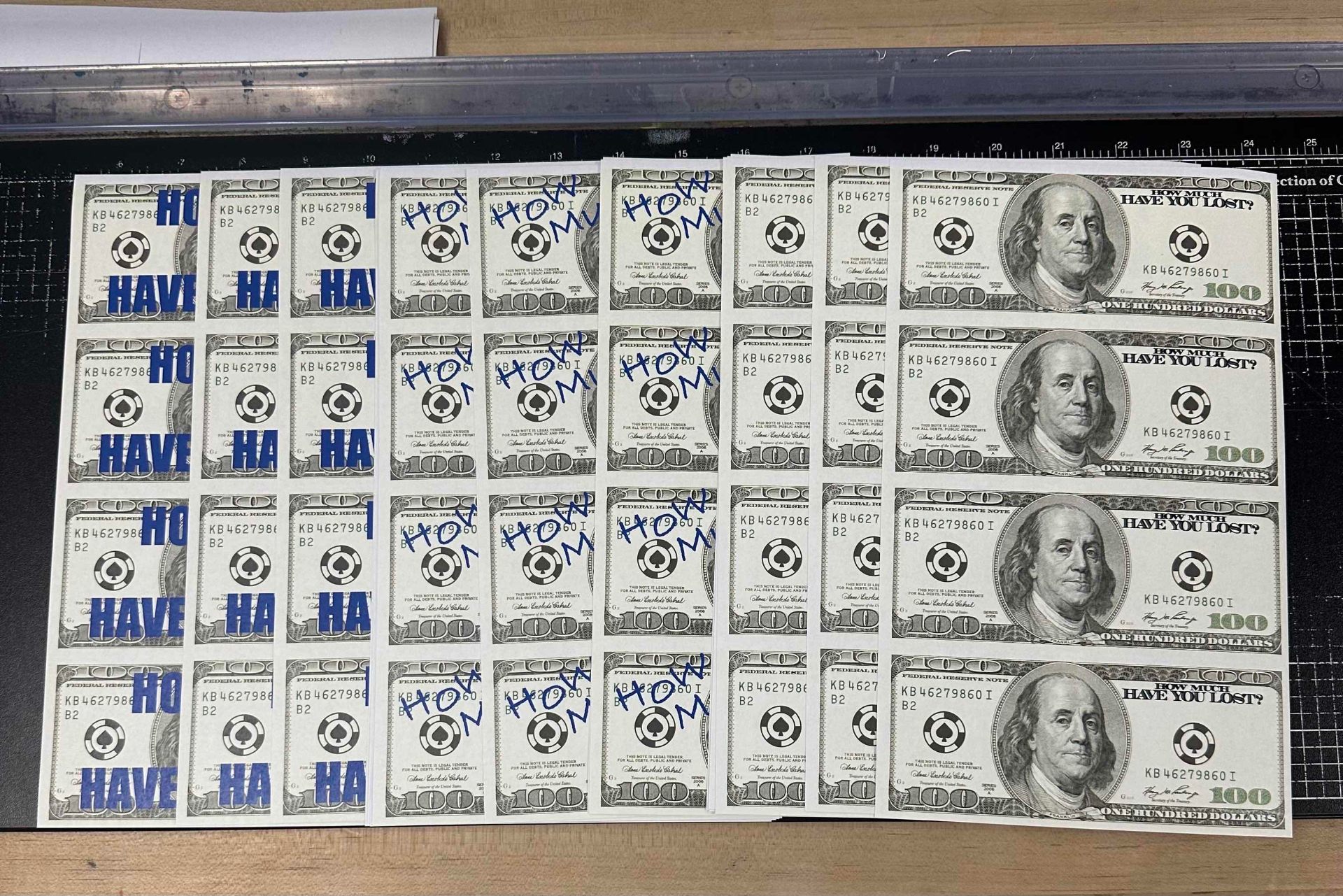
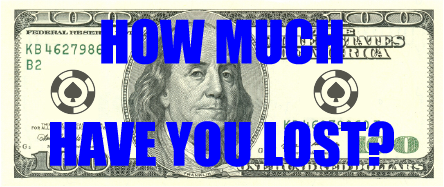
Final bill variations
Every element of the note was redrawn, from the portrait and typography to the security seal, which became a poker chip. The goal was to keep instant recognition intact while replacing the message.
Stickers were printed at true 1:1 scale so they read as currency at a glance.
Installed
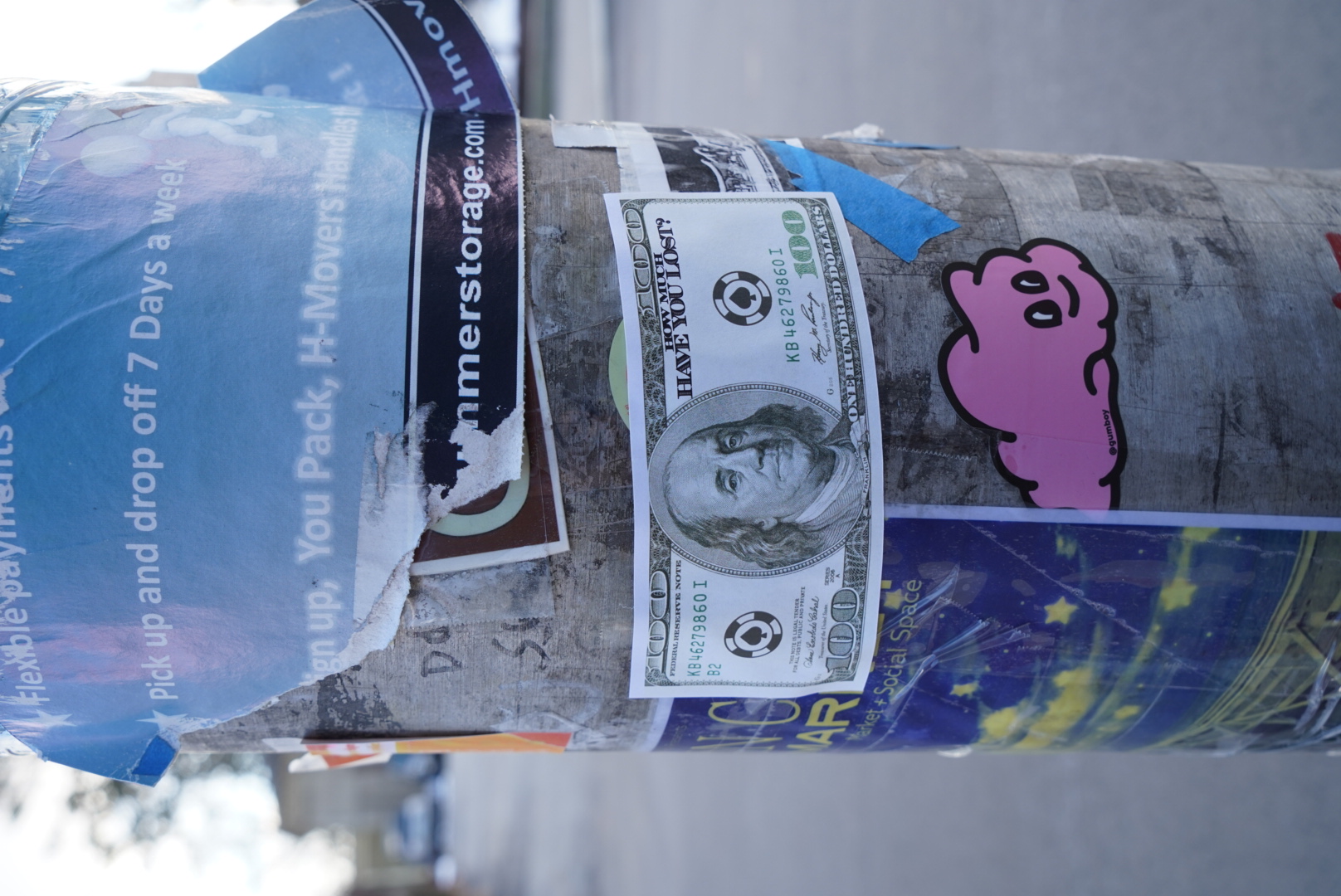
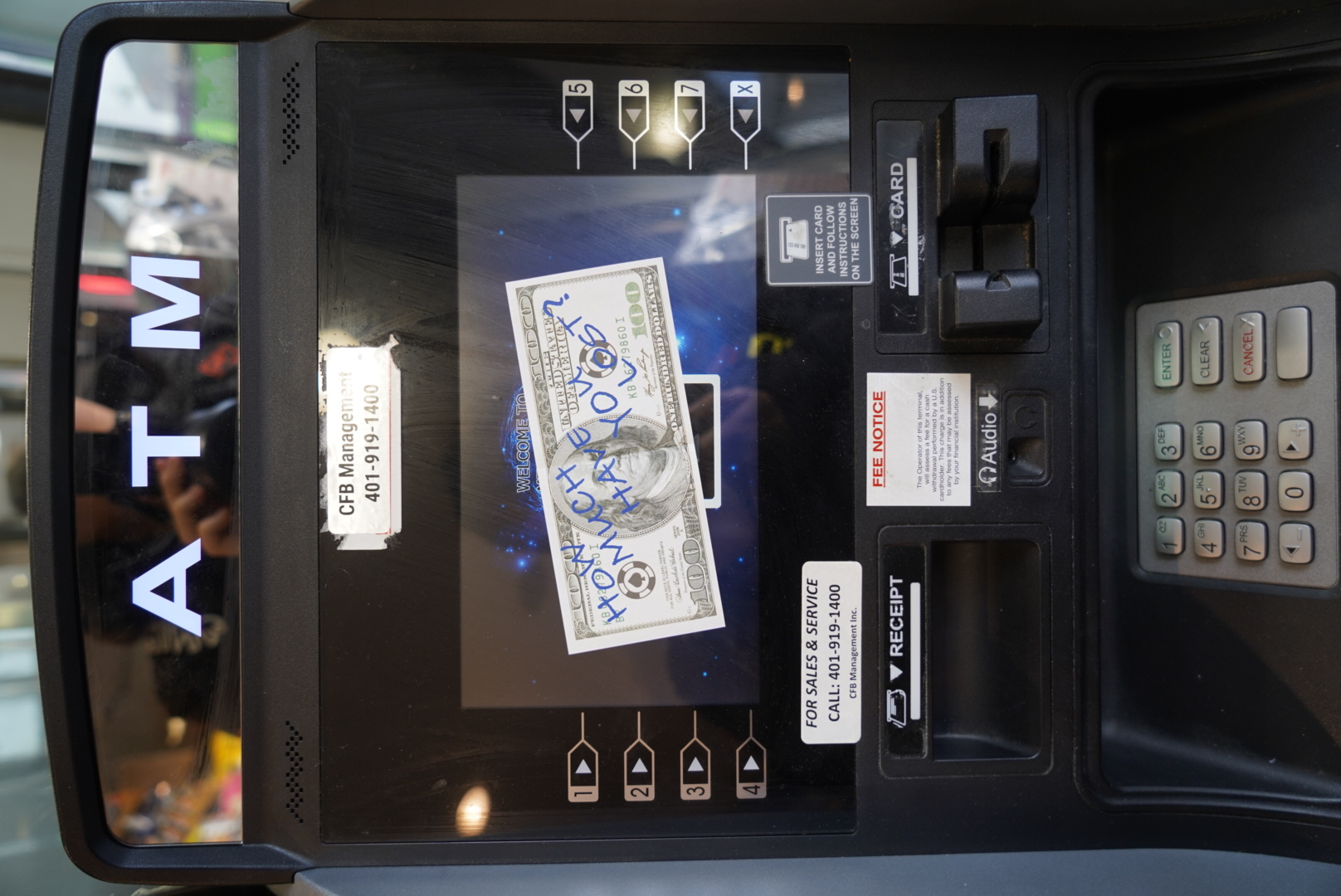
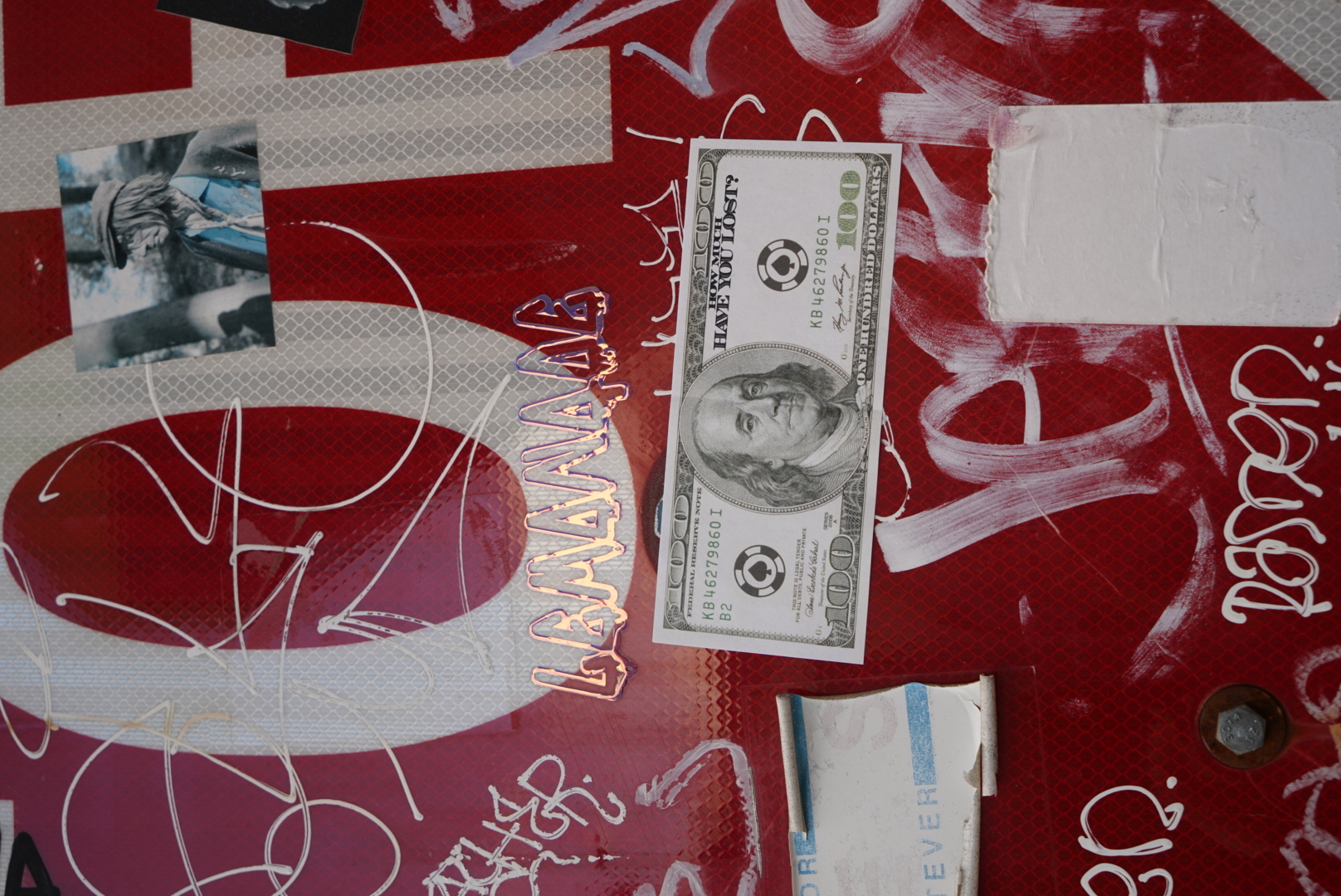
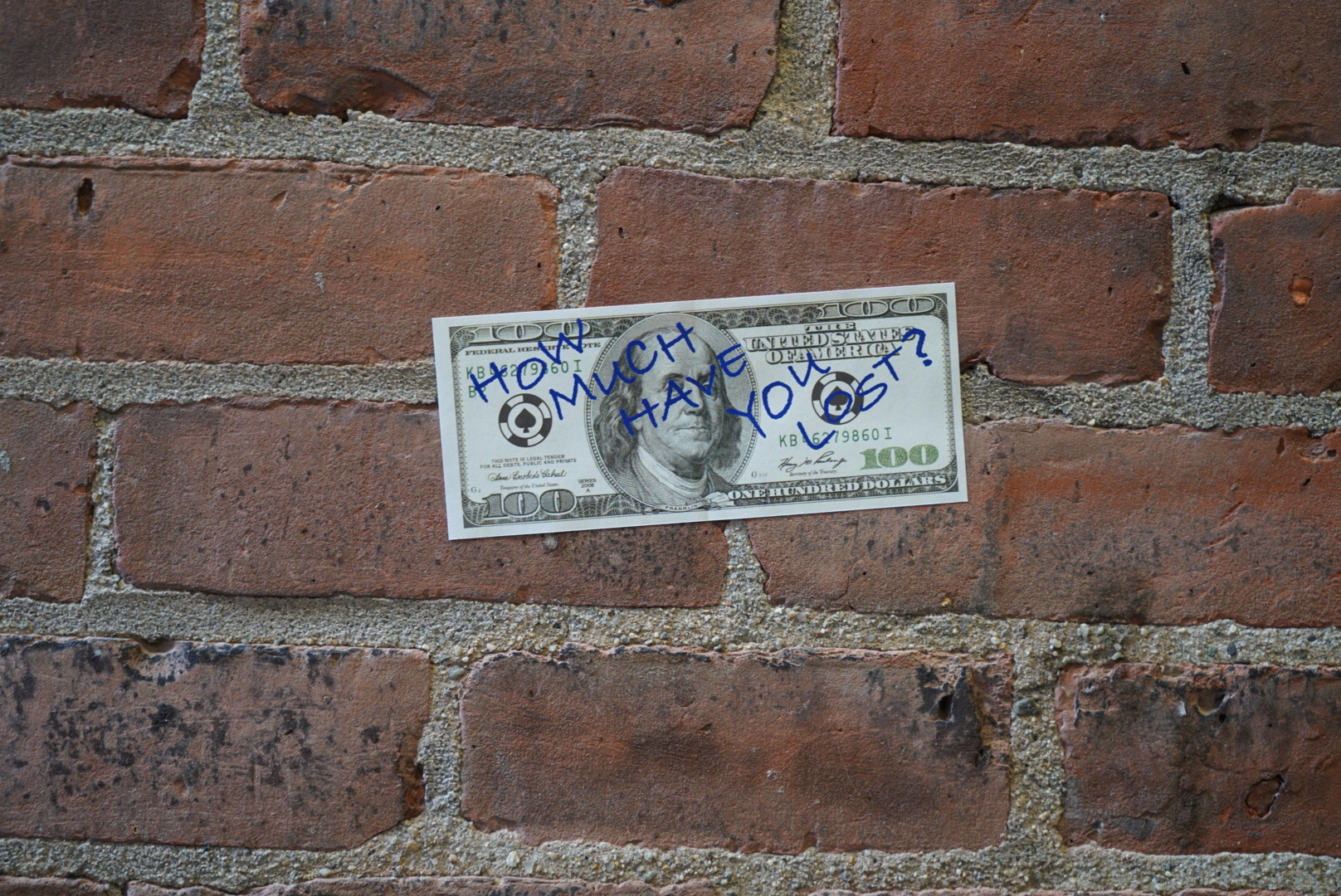
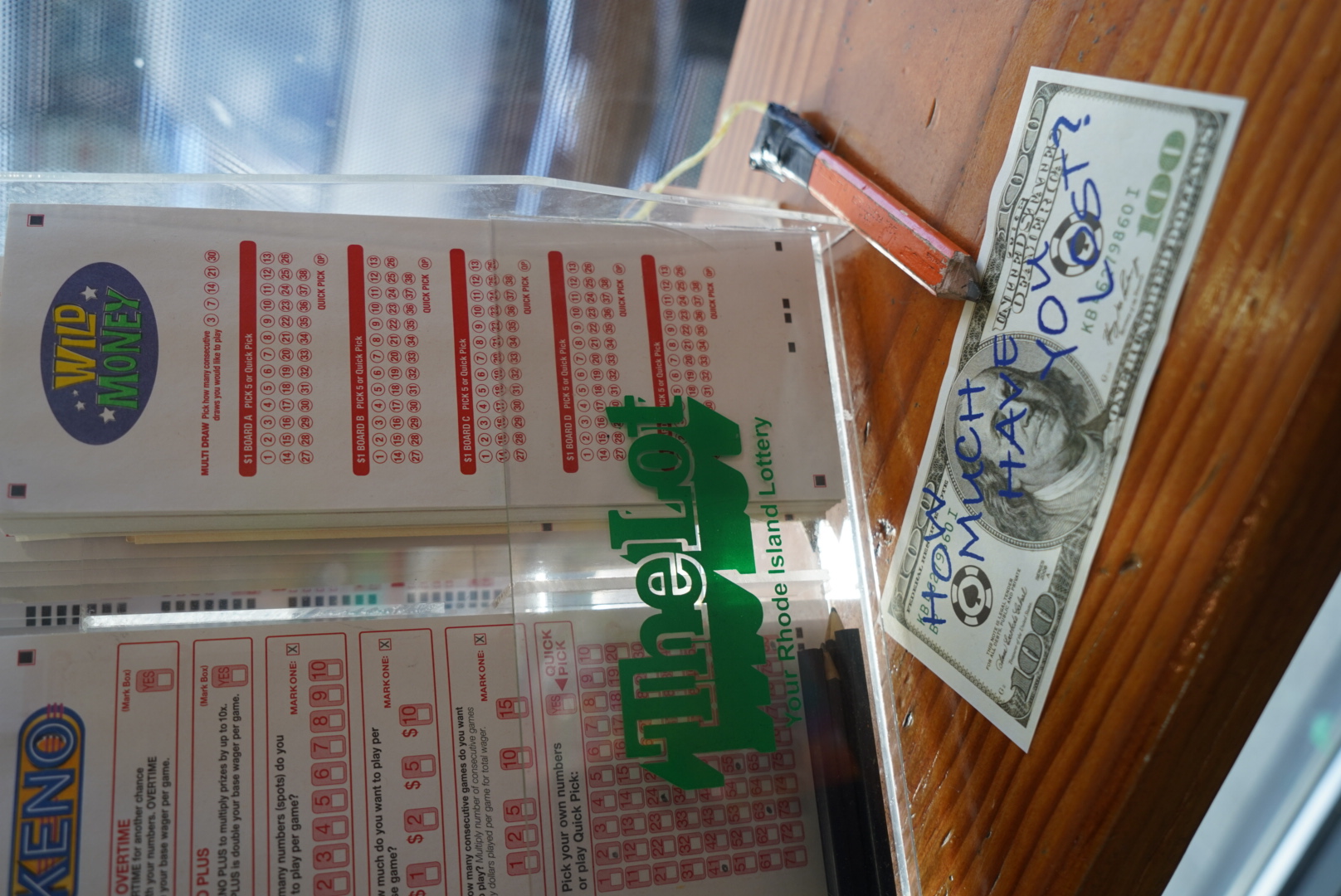
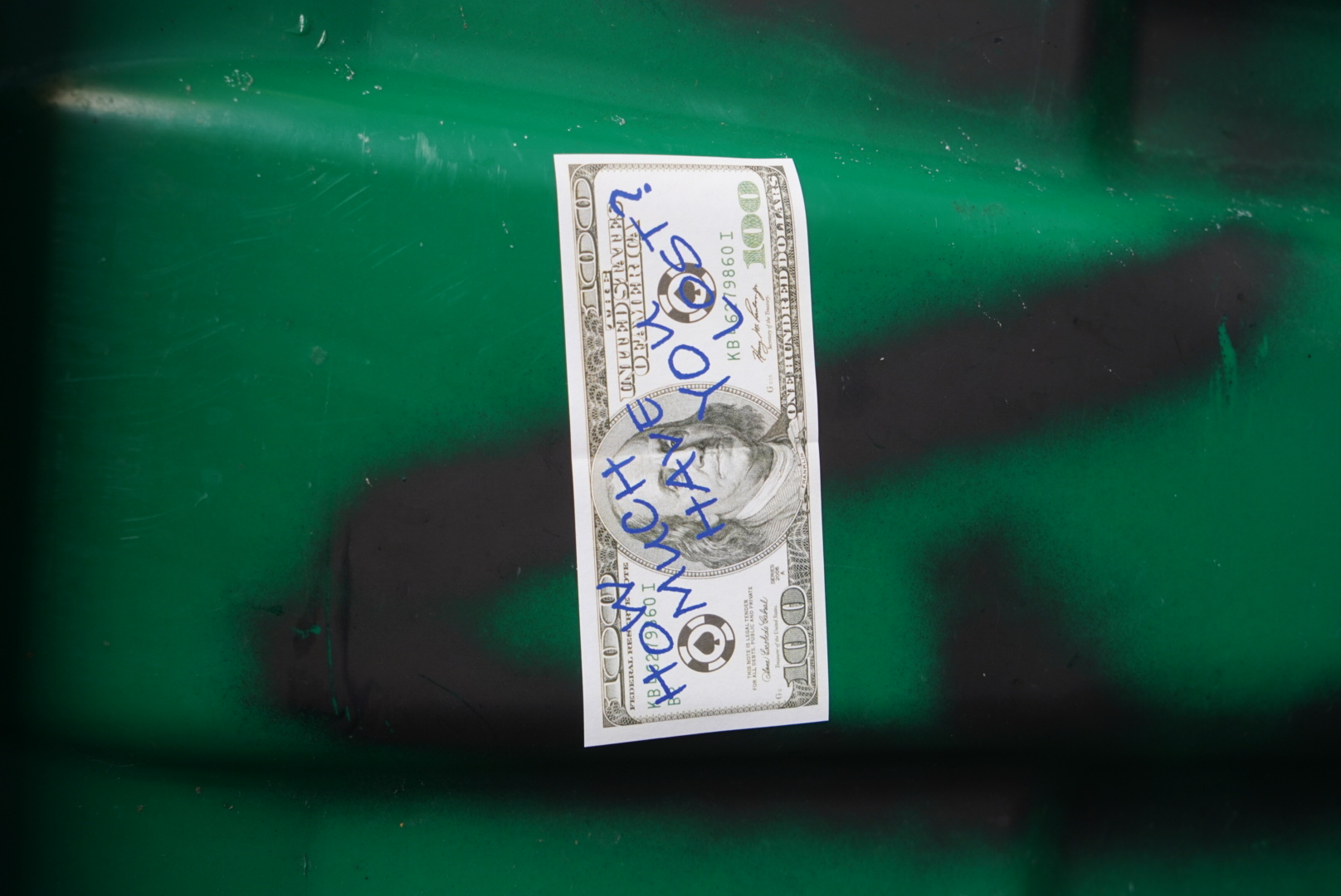
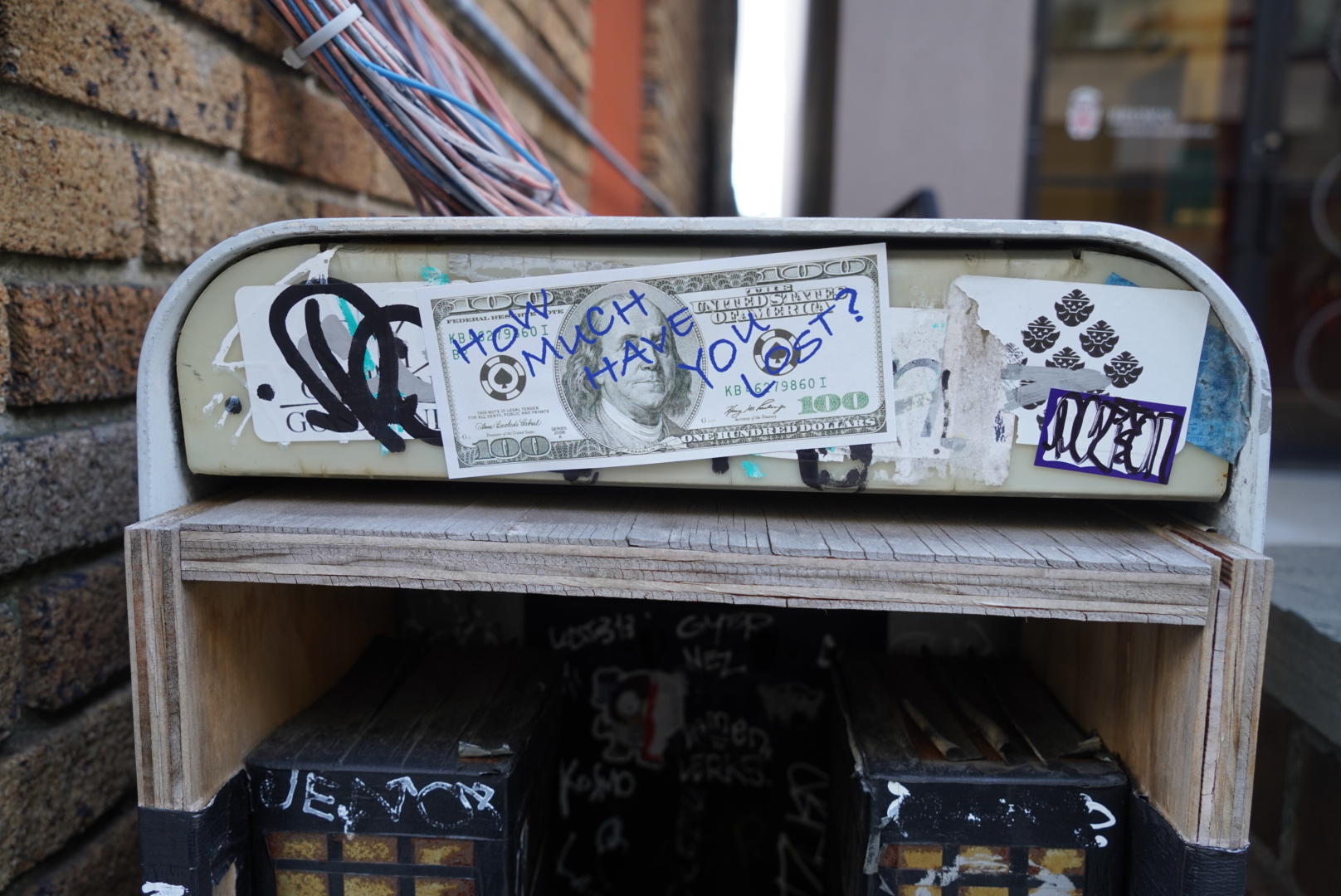
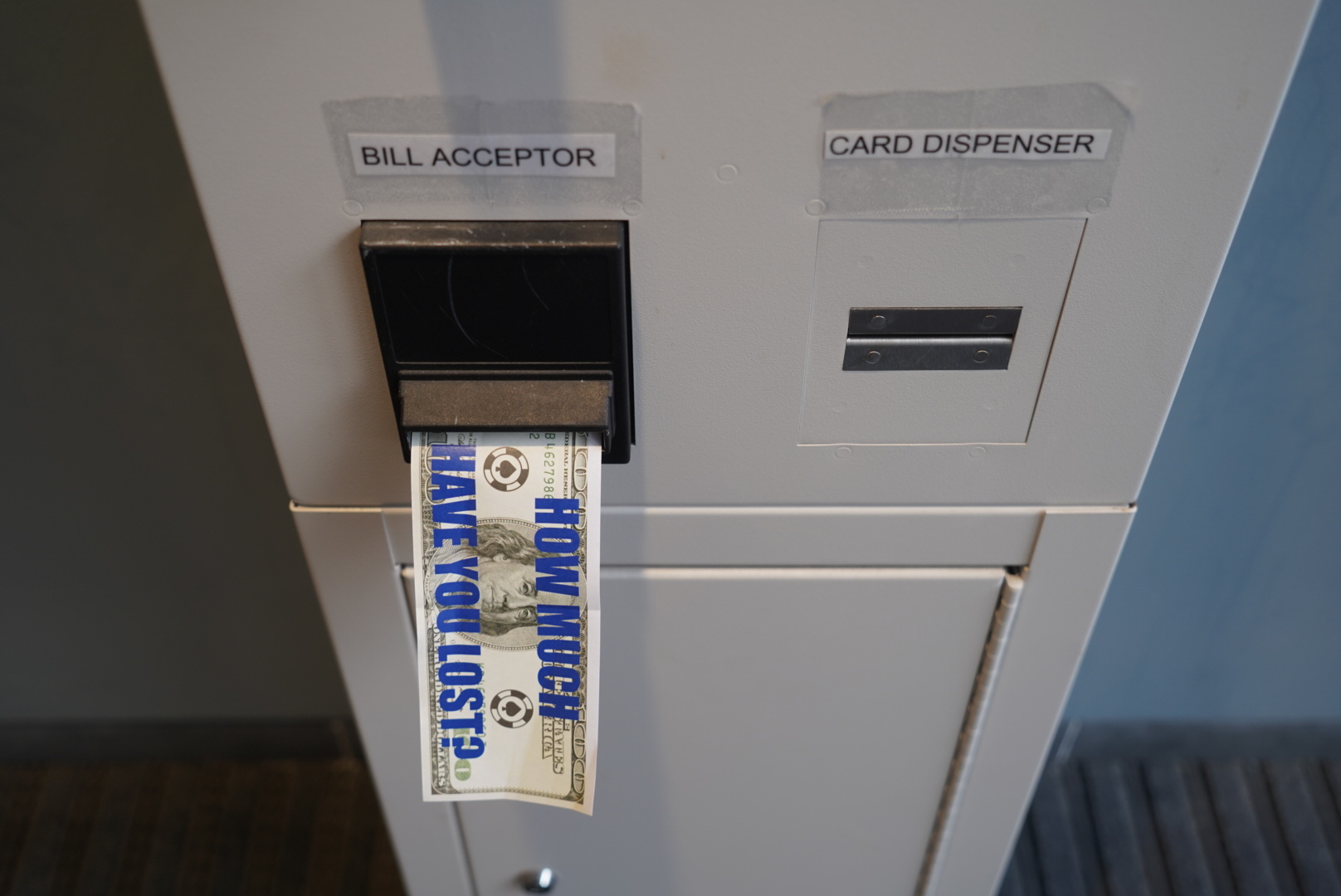
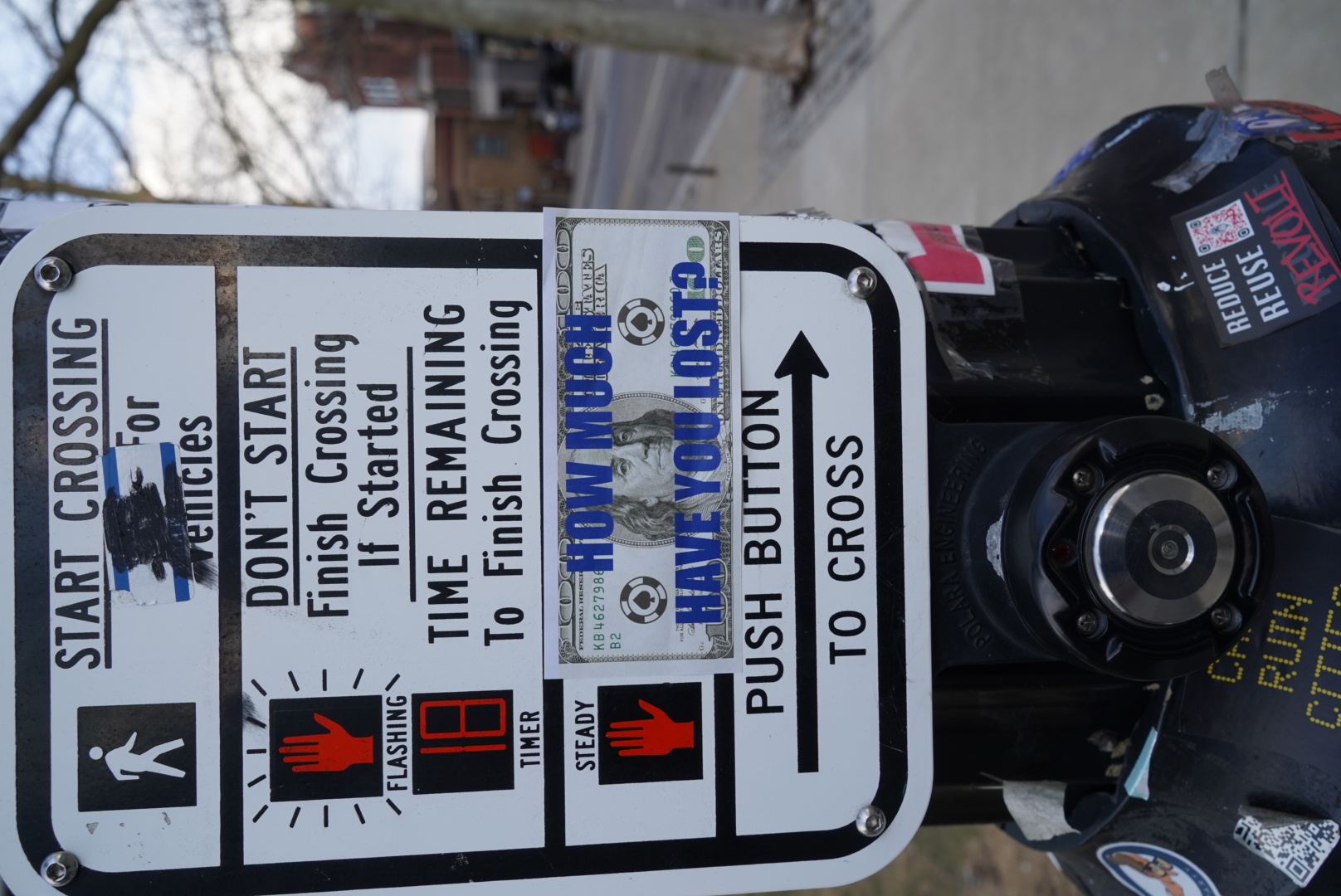
Around thirty stickers were installed across Providence and the RISD campus, on ATMs, walls, floors, and street furniture. Some disappeared within a day.
Reflection
Designing for attention means working with existing behavior.
Borrowing a familiar object was more effective than asking for attention outright. The intervention makes no claim about changing behavior.
It was built to create a short moment of reflection in the middle of an ordinary day, and to see what people do with it.